Trump's Hush Money Case
Imagine a convicted felon is set to take the oath of office as the President of the United States. Sounds like a scene from a political thriller, right? Well, this is 2025, and it’s real life. Donald Trump, fresh off a courtroom conviction for falsifying business records in the infamous hush money case, is heading back to the White House. In a jaw-dropping twist, a Manhattan judge handed him a conviction but no punishment- no jail time, no fines, no probation. Just the weight of a felony on his shoulders as he prepares to lead the nation once again. How did we get here?
Let’s break it down:
1. Sentence Without Punishment
Donald Trump, now President-elect, was sentenced on January 10, 2025, in the Manhattan hush money case. Remarkably, the judge imposed no penalties—no jail time, fines, or probation. This unprecedented judgment effectively ends the case while leaving Trump's felony conviction intact.
2. The Case and Conviction
The case revolved around payments made to adult film star Stormy Daniels in 2016 to silence claims of an alleged affair. Prosecutors accused Trump of falsifying business records to hide a $130,000 payout. In May 2024, Trump was convicted on 34 felony counts, marking him as the first U.S. President to assume office with a felony conviction.
3. A Political and Legal Battle
Trump maintained his innocence, calling the trial a "political witch hunt." His defense argued the payments were made to protect his family, not to influence the election. Despite the conviction and trial, voters re-elected Trump, underscoring the divided public sentiment.
4. Judge’s Considerations
Judge Juan Merchan cited Trump's imminent return to the presidency and constitutional protections as key reasons for the no-penalty sentence. However, he upheld the jury's verdict, emphasizing that even presidential power cannot erase a conviction.
5. Implications and Public Reactions
This norm-defying case exposed deep tensions in U.S. politics and the justice system. Supporters and critics clashed outside the courthouse, reflecting national polarization.
As Trump prepares to return to the White House, how will this conviction shape his presidency and public trust in the justice system?
What Happened to Oil Prices in 2020?
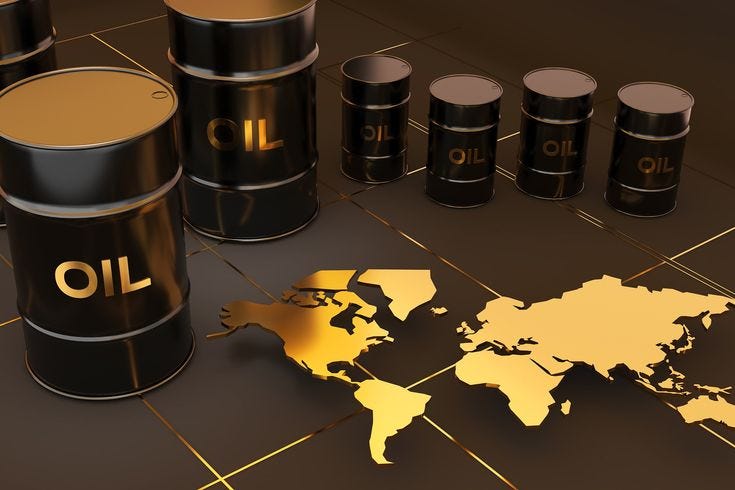
Imagine a product so unwanted that sellers pay buyers to take it. Sounds wild, right? Well, in April 2020, that’s exactly what happened with oil. For the first time in history, U.S. oil prices turned negative. How did we get here?
Let’s break it down:
What Happened?
Demand Vanishes: As COVID-19 lockdowns froze global travel and industry, demand for oil collapsed.
Storage Crisis: Oil producers couldn’t stop pumping fast enough, creating a glut with nowhere to store the excess.
Delayed Cuts: OPEC and allies eventually agreed to slash production by 9.7 million barrels per day, but the damage was already done.
On April 20, WTI crude futures fell to - $37 per barrel- yes, below zero because sellers desperately needed to offload their oil.
But finally, by summer 2020, as economies reopened, Brent crude prices climbed to $40 per barrel. Vaccine announcements in November further boosted market optimism, with oil closing the year at around $50 per barrel.
Fun Fact:
Today, oil prices are around $75 per barrel, but what do terms like WTI and Brent mean?
WTI (West Texas Intermediate): A U.S. benchmark, it reflects crude oil prices traded primarily in North America.
Brent Crude: A global benchmark, it tracks oil extracted from the North Sea and influences prices worldwide.
Both benchmarks are essential to understanding global oil markets, but their prices differ based on factors like extraction cost and transportation.
Also have a look at:
This comment has been removed by the author.
ReplyDelete